


Best Business Class Routes to Asia for Autumn & Winter 2026–27
Sep 30, 2026Asia is one of the few regions where the best time to travel depends heavily on where you are going.
Autumn can bring crisp weather and colorful foliage to Japan and South Korea, while winter opens the door to warm-weather escapes in Thailand, Singapore, Indonesia and the Maldives. For a long-haul journey from USA, Business Class can make these trips significantly more comfortable, particularly when the itinerary involves an overnight flight or a connection through one of Asia's major hubs.
But choosing the right destination is only part of the decision.
The best Business Class route to Asia is usually the one that combines a favorable season, a convenient connection, a comfortable aircraft and a schedule that allows you to arrive ready to enjoy the destination.
Here are some of the most interesting Business Class routes to consider for autumn and winter 2026–27.
Why Autumn and Winter Are Ideal for a Business Class Trip to Asia
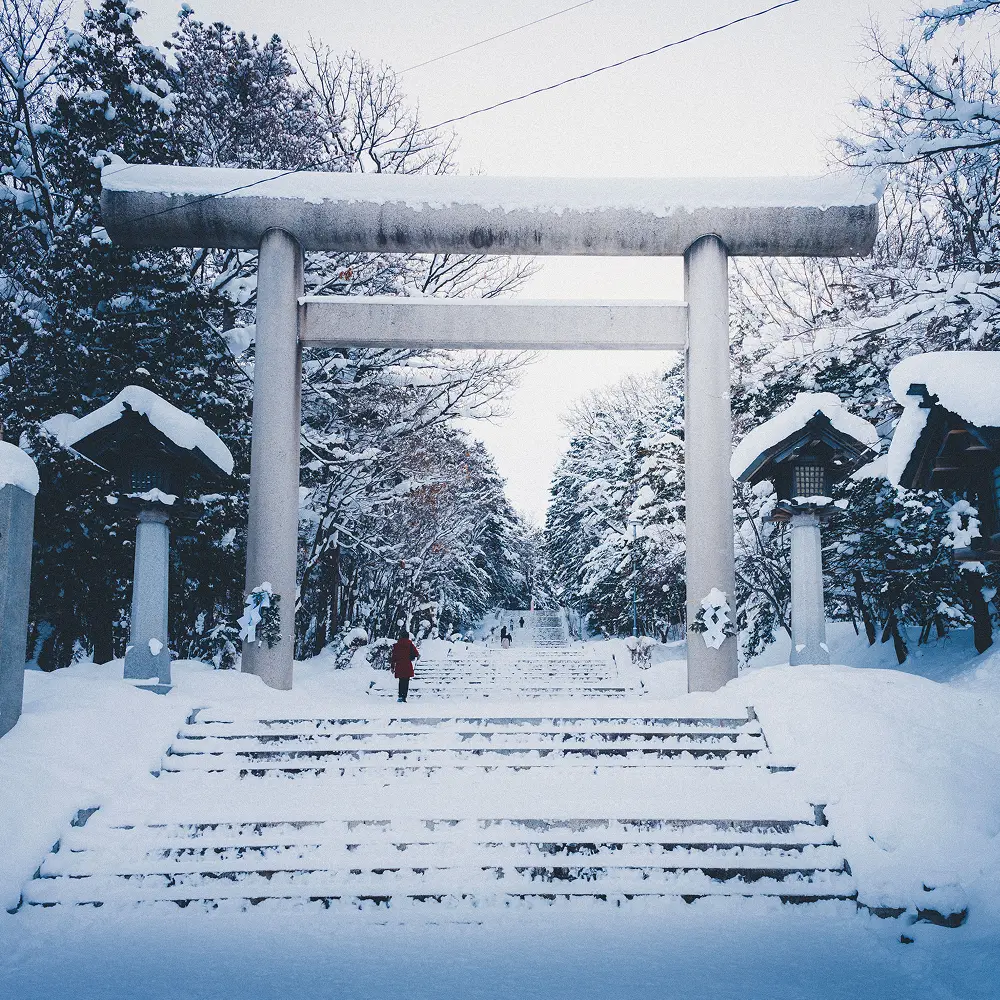
From September through February, Asia offers an unusually wide range of travel experiences.
In the north, Japan and South Korea transition from autumn colors into winter. Tokyo's official tourism guide notes that autumn brings increasingly mild and dry conditions, with foliage beginning to appear in parts of Tokyo from late October and spreading through November.
Further south, destinations such as Bangkok, Singapore and Bali offer a very different proposition: warm weather, hotels with outdoor spaces and the possibility of escaping a USAan winter.
This makes the season particularly well suited to Business Class travel.
A long-haul flight can become the first part of the holiday rather than simply transportation. A lie-flat seat allows you to sleep, a well-timed connection reduces airport fatigue and lounge access gives you somewhere comfortable to work, eat or relax between flights.
The key is choosing the route around the trip rather than treating the flight as an afterthought.
Tokyo, Japan: The Classic Autumn Business Class Journey
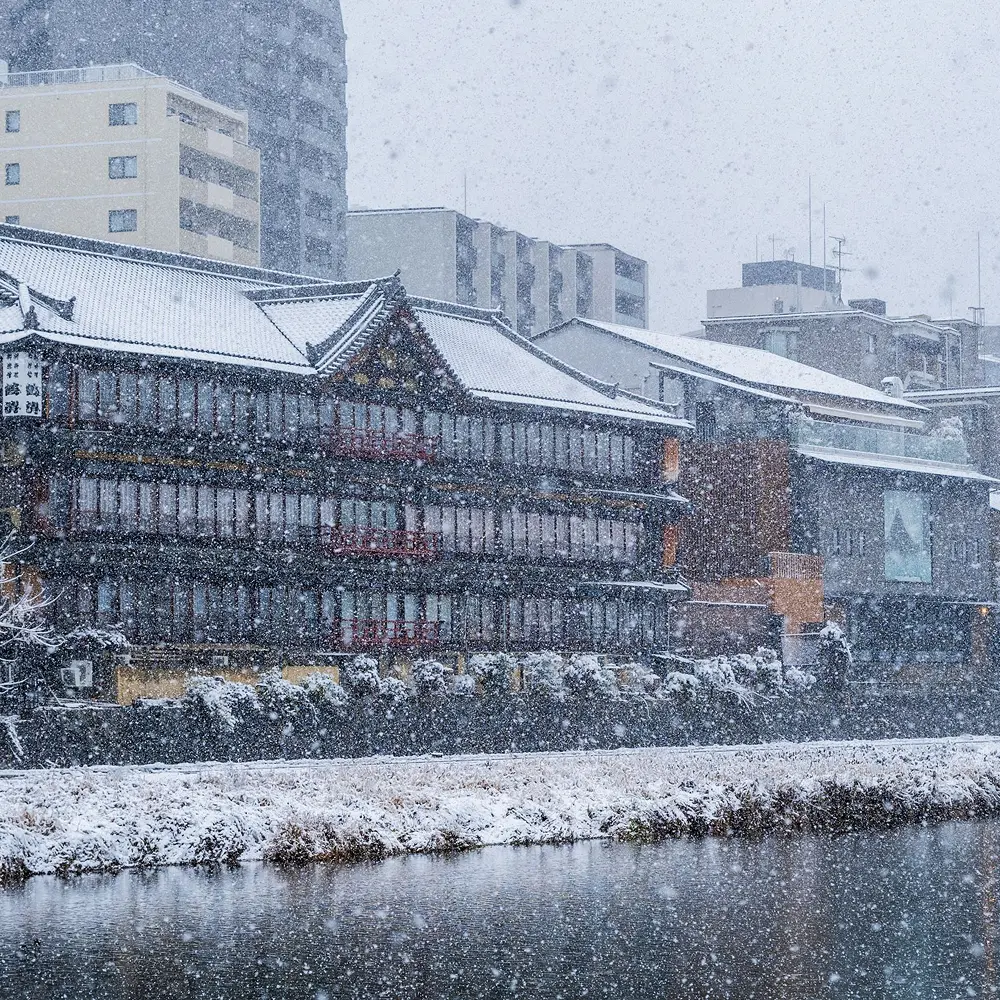
Tokyo is one of the strongest choices for an autumn trip to Asia.
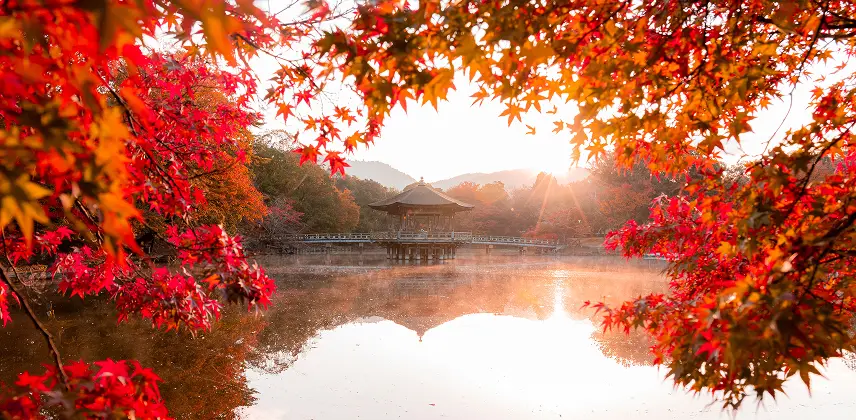
September can still be warm, but conditions generally become more comfortable through October and November. By mid-November, Tokyo's parks and gardens begin to show the reds and yellows associated with the Japanese autumn.
For travelers interested in food, design, shopping and culture, Tokyo also works particularly well as a first stop on a longer Japanese itinerary.
You can spend several nights in Tokyo before continuing to Kyoto, Osaka or another destination by rail.
For Business Class travelers, Tokyo also benefits from its position within a major Asian aviation network. Singapore Airlines, for example, lists Tokyo among the destinations served nonstop from Singapore, alongside Osaka, Seoul, Hong Kong, Taipei and other major Asian cities.
The ideal autumn itinerary could look something like:
USA - Tokyo - Kyoto - Osaka - USA
This is particularly attractive for travelers who want to combine a long-haul Business Class experience with a multi-city cultural itinerary.
Best for:
Autumn foliage, gastronomy, shopping, culture and first-time trips to Japan.
Ideal months:
October and November.
Kyoto, Japan: For a Slower Luxury Experience
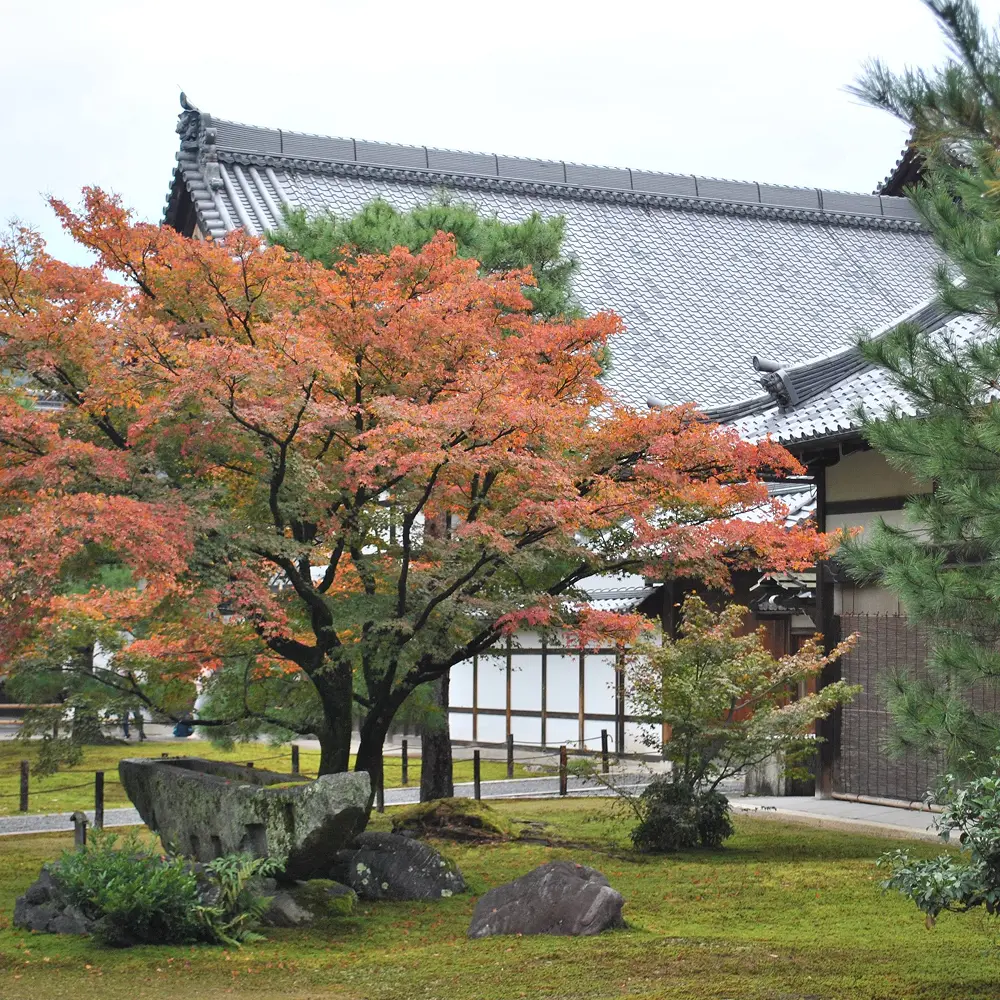
If Tokyo is energetic and metropolitan, Kyoto offers the opposite rhythm.
Autumn is particularly atmospheric here, with temples, gardens and traditional neighborhoods surrounded by changing foliage.
Kyoto works well for travelers who prefer a slower version of luxury travel: fewer major attractions per day, more time in restaurants, gardens and traditional properties, and a stronger focus on atmosphere.
Rather than treating Kyoto as a day trip from Tokyo, consider giving it several nights.
For a premium itinerary, you could fly Business Class into Tokyo, spend several nights in the capital, travel by train to Kyoto and then continue to Osaka for the return journey.
This approach also avoids unnecessary domestic flights.
Seoul, South Korea: Autumn Meets Contemporary Asia

Seoul is another strong autumn destination.
The city combines historic palaces and traditional neighborhoods with contemporary architecture, design, shopping and one of Asia's strongest food scenes.
It is also particularly interesting for travelers who have already visited Japan and want something culturally different without moving too far geographically.
Seoul's role as an Asian aviation hub also makes it useful as part of a wider itinerary.
For example:
or:
The second option can work particularly well if you want to combine two major North Asian destinations in one trip.
OAG's 2026 data shows Tokyo–Seoul among the major air routes in the Asia-Pacific region, illustrating the exceptionally strong connectivity between the two cities.
Best for:
Food, design, shopping, contemporary culture and autumn city breaks.
Ideal months:
October and November.
Singapore: The Most Versatile Asian Hub
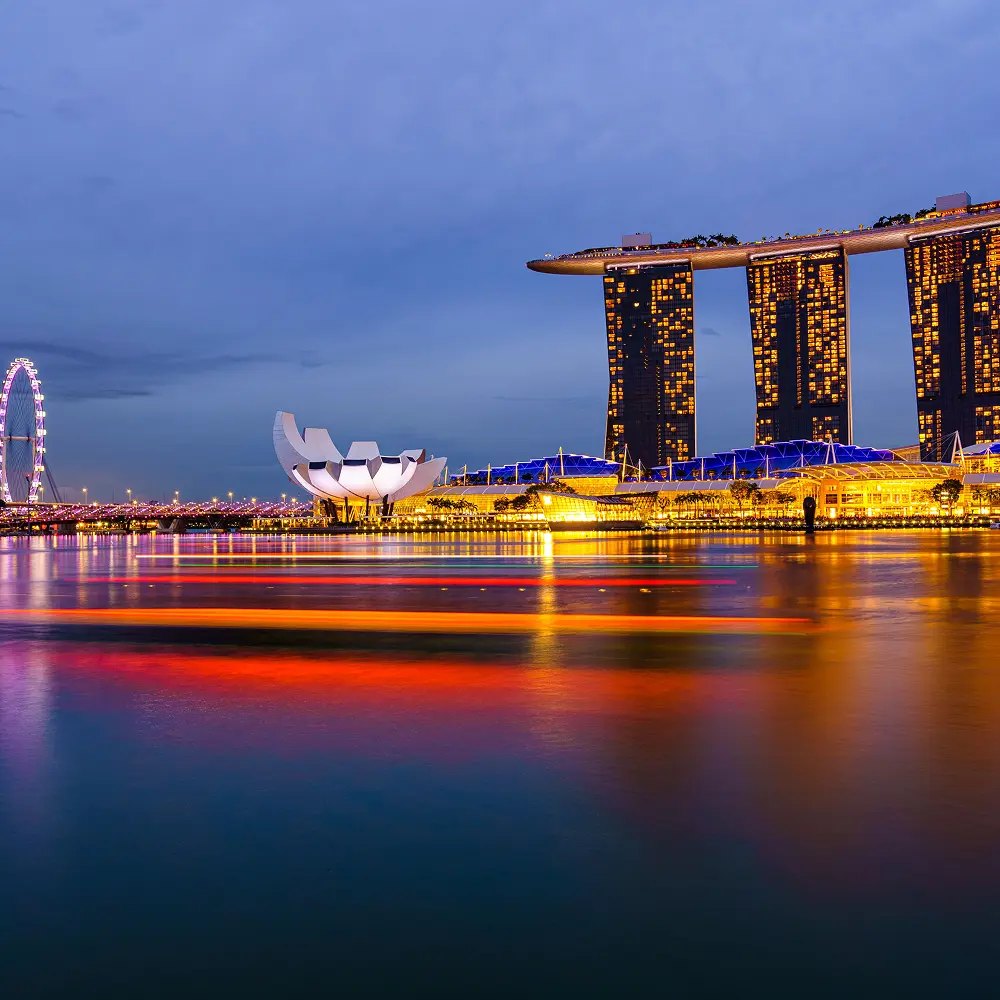
Singapore is one of the most useful destinations to consider when planning a Business Class trip to Asia.
It works both as a final destination and as a gateway to Southeast Asia.
From Singapore, Singapore Airlines operates nonstop services to Tokyo, Osaka, Seoul, Hong Kong, Bangkok, Bali, Phuket, Kuala Lumpur and numerous other destinations.
That makes it possible to build a more complex itinerary without adding unnecessary travel.
For example:
USA - Singapore - Bali - Singapore - USA
or:
USA - Singapore - Bangkok - Singapore - USA
Singapore itself is also a compelling destination for a few nights. Its combination of high-end hotels, restaurants, architecture and efficient infrastructure makes it particularly easy to combine with other Asian destinations.
There is also strong USAan connectivity. Singapore Airlines is increasing services on several USAan routes for the Northern Winter 2026 season, including additional services to London Gatwick, daily Milan service and increased Munich frequencies.
Best for:
Multi-city itineraries, Southeast Asia connections, food and luxury hotels.
Ideal months:
November through February for a winter escape, although Singapore is a year-round destination.
Bangkok, Thailand: The Winter Escape
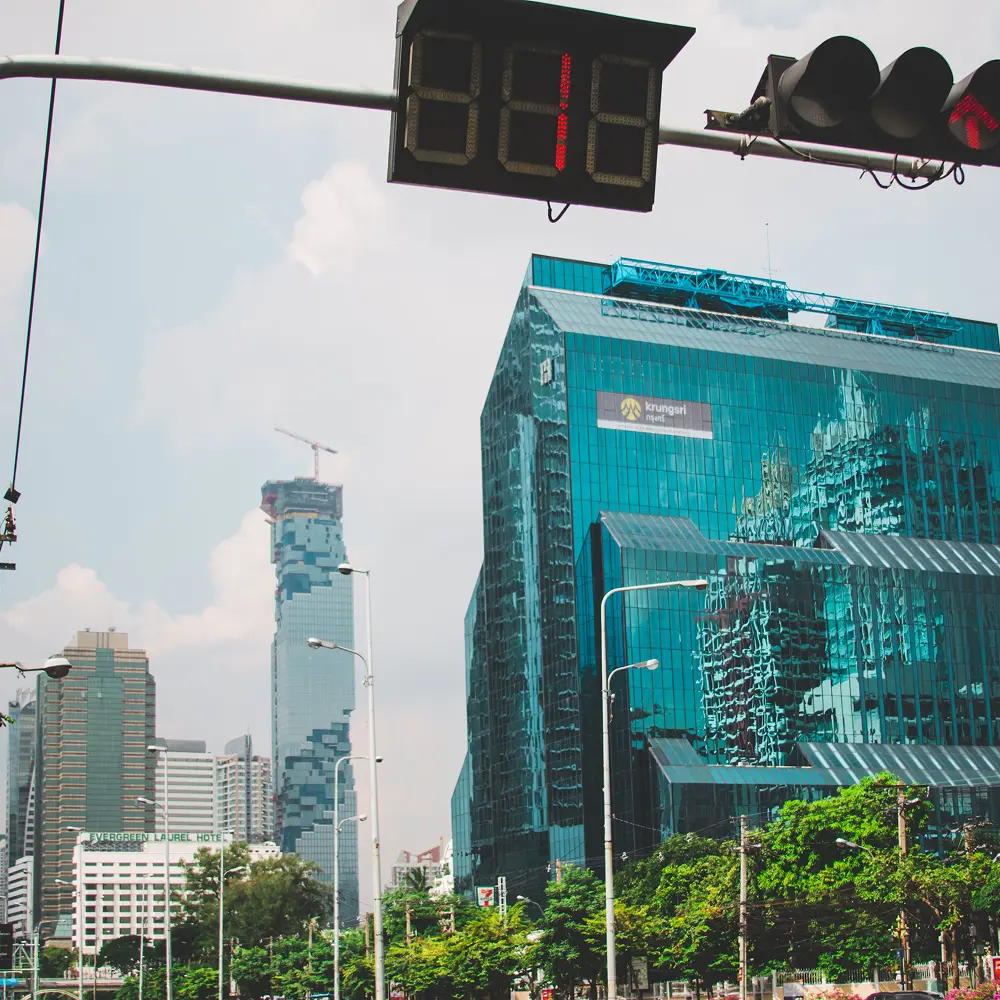
If your objective is to leave USAan cold weather behind, Bangkok becomes much more attractive.
The city combines luxury hotels, rooftop restaurants, spas, shopping and an enormous range of dining options with easy onward connections throughout Southeast Asia.
It also works particularly well as the first or final stop of a longer itinerary.
One possible route:
USA - Bangkok - Phuket - Bangkok - USA
Another:
USA - Bangkok - Singapore - USA
The advantage of Bangkok is that the city itself can be as luxurious or as adventurous as you want it to be.
You can spend a morning at a spa, have lunch at a Michelin-recognized restaurant and finish the day at a rooftop bar overlooking the city.
For travelers flying Business Class, Bangkok is therefore less about simply reaching a beach destination and more about building a comfortable winter journey around several different experiences.
Best for:
Winter sun, food, spas, shopping and luxury hotels.
Ideal months:
November through February.
Bali: Business Class Into a Tropical Winter

Bali is a natural choice for travelers looking for a longer winter escape.
The island offers a different style of luxury from Tokyo or Singapore: villas, private pools, wellness retreats, beaches and slower days.
The main challenge is that Bali is not usually the destination you choose because of the flight alone.
The journey is long, which makes Business Class particularly valuable.
A lie-flat seat on an overnight long-haul segment can allow you to arrive significantly more rested, while a well-timed connection through Singapore can turn the journey into a more manageable itinerary.
Singapore Airlines lists Denpasar among the destinations served from its Singapore hub, alongside several other Southeast Asian cities.
A particularly attractive itinerary is:
with several nights in Singapore followed by a longer stay on the island.
Best for:
Wellness, villas, beaches, longer stays and winter escapes.
Ideal months:
November through February, while checking the latest local weather outlook before booking.
Maldives: When the Destination Is the Hotel
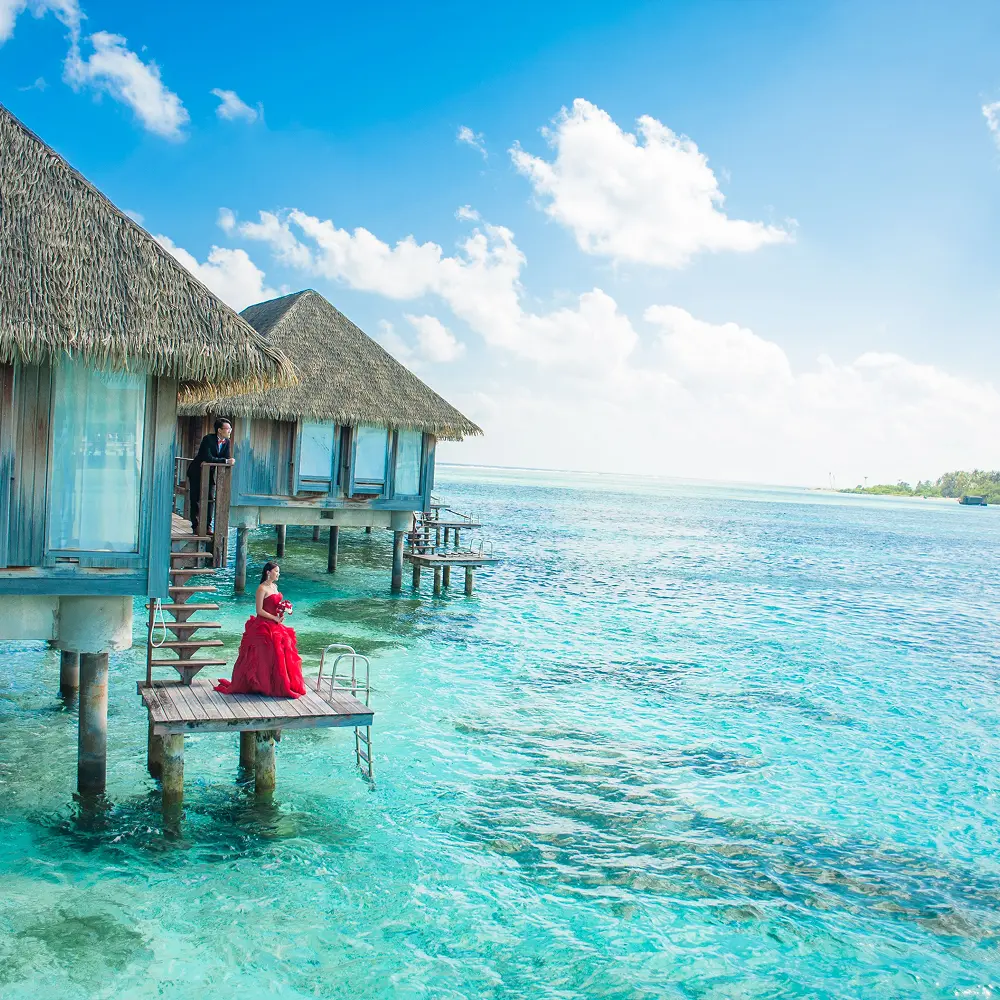
The Maldives is slightly different from the other destinations on this list.
You do not necessarily travel there for museums, neighborhoods or city exploration. The resort is the destination.
That changes how you should think about the flight.
After a long journey from USA, arriving exhausted and then taking another transfer to an island is not ideal. Business Class can therefore be particularly useful when the itinerary involves overnight flying and connections.
Singapore Airlines, for example, lists Malé among the destinations served from Singapore.
A longer itinerary could therefore combine a city stop with the resort:
USA - Singapore - Malé - resort
The contrast can be part of the appeal: several nights in an urban Asian hub followed by complete isolation on a private island.
Best for:
Beach resorts, privacy, honeymoons and complete relaxation.
Ideal months:
December through February.
Kuala Lumpur + Langkawi: A Less Obvious Luxury Combination
Travelers looking beyond the most obvious Asian destinations should consider combining Kuala Lumpur with Langkawi.
Kuala Lumpur provides the urban component: restaurants, modern architecture, shopping and luxury hotels.
Langkawi provides the slower second half of the trip, with beaches and resort-style accommodation.
This creates a simple two-part itinerary:
USA - Kuala Lumpur - Langkawi - Kuala Lumpur - USA
It can be particularly appealing if you want a tropical holiday without spending the entire trip at a single resort.
Kuala Lumpur is also one of the major connectivity hubs in the Asia-Pacific region, according to OAG's 2026 connectivity data.
Hong Kong: A Shorter, More Intense Asian Escape
Hong Kong is ideal if you want Asia without committing to a two- or three-week itinerary.
Three or four nights can be enough to experience its restaurants, skyline, shopping districts and neighborhoods before returning to USA.
It can also work as a gateway to a larger trip:
or:
USA - Hong Kong - Bangkok - USA
The city is particularly attractive for travelers who prefer urban luxury to resort travel.
Think high-rise hotels, fine dining, private shopping experiences and a city where the itinerary can remain flexible.How to Choose the Right Business Class Route
The destination is only one part of the decision.
Before booking, compare the entire itinerary.
1. Check the Aircraft
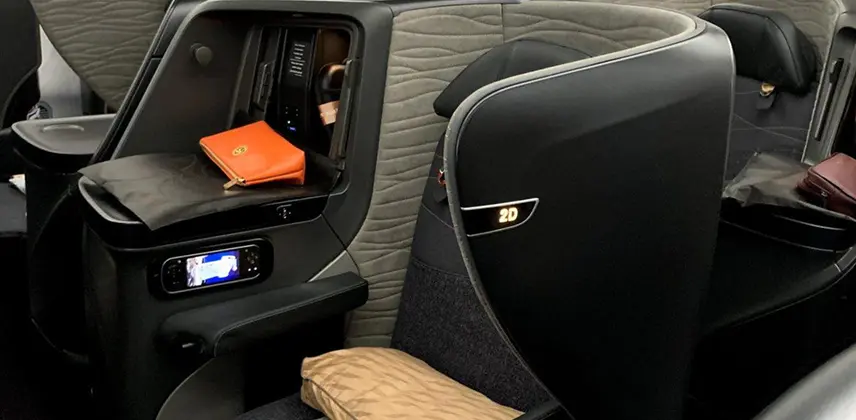
Do not assume that every Business Class seat offered by an airline is identical.
Look for:
- 1-2-1 configuration
- direct aisle access
- lie-flat seats
- privacy
- seat width
- bed length
- aircraft type
The difference between two aircraft operated by the same airline can be substantial.
2. Look at Total Travel Time
A slightly more expensive itinerary can sometimes be preferable if it removes several hours of unnecessary connection time.
For a long-haul trip, consider the entire journey rather than just the airfare.
3. Think About the Connection
A two-hour connection may look efficient on paper, but a longer connection can sometimes make the trip considerably more comfortable when it includes a good Business Class lounge.
The opposite is also true: a seven-hour connection can eliminate much of the benefit of flying Business Class.
Aim for a connection that gives you enough time without turning the airport into a second destination.
4. Consider When You Sleep
An overnight flight in a lie-flat Business Class seat can save you a night of poor sleep.
For autumn and winter trips to Asia, this is especially useful because many USAan departures are timed around overnight travel.
Check the departure and arrival times before comparing fares.
5. Don't Ignore the Return Flight
The outbound journey may be comfortable, but the return can be completely different.
Compare both directions.
A daytime return in Business Class may be ideal if it allows you to arrive in USA in the evening and sleep normally that night.
A Practical Autumn & Winter Asia Flight Guide
Destination - Best season - Ideal trip style - Useful hub
Tokyo - October–November - Culture, food, city - Singapore / Istanbul / major Asian hubs
Kyoto - November - Slow luxury, culture - Tokyo / Osaka
Seoul - October–November - Food, shopping, culture - Major Asian hubs
Singapore - November–February - City + multi-city - Singapore
Bangkok - November–February - Winter sun, food, wellness - Bangkok / Singapore
Bali - November–February - Resorts, wellness, beaches - Singapore
Maldives - December–February - Resort, privacy, relaxation - Singapore / regional hubs
Kuala Lumpur + Langkawi - Winter - City + beach - Kuala Lumpur
Hong Kong - Autumn–winter - City break, food, shopping - Hong Kong
Seasonal weather can vary from year to year, so the table should be treated as a planning guide rather than a guarantee. For Southeast Asia in particular, the ASEAN Specialized Meteorological Centre's September–November 2026 outlook shows meaningful regional differences in rainfall and temperature, making destination-specific forecasts important closer to departure.
Build the Journey Around the Flight
One of the advantages of flying Business Class to Asia is that the itinerary itself can become part of the experience.
Instead of simply searching for the cheapest flight to Tokyo or Bangkok, consider building a route around the aircraft, schedule and destination combination.
For example:
Autumn Japan:
USA - Tokyo - Kyoto - Osaka - USA
Autumn Asia:
USA - Seoul - Tokyo - USA
Winter Southeast Asia:
USA - Singapore - Bangkok - USA
Winter island escape:
USA - Singapore - Bali - USA
City + resort:
USA - Singapore - Malé - USA
Each offers a different balance between flight time, destination variety and relaxation.
Final Thoughts
There is no single best Business Class route to Asia for autumn and winter.
The right choice depends on what you want from the trip.
For autumn, Japan and South Korea offer cooler weather, seasonal scenery and city experiences. For winter, Southeast Asia and the Maldives provide a very different proposition: warmth, beaches, wellness and longer stays.
The most important thing is to consider the complete journey.
Look at the aircraft, seat configuration, connection time, departure schedule and arrival time alongside the destination. A Business Class ticket is not just about having a larger seat. On a long journey to Asia, it can determine how you feel when the holiday actually begins.
If you're planning an autumn or winter trip, compare Business Class flights with PrivyTrips and look for Business Class flight deals that combine the right aircraft, schedule and destination for your itinerary.


/PhotoshopExtension_Image(35)1.webp)
4.webp)


Subscribe to Our Newsletter
Sign up for our newsletter and be the first to know about our latest exclusive offers that you won't find online.


