


Best Christmas Markets in Europe 2026: 5 Magical Destinations
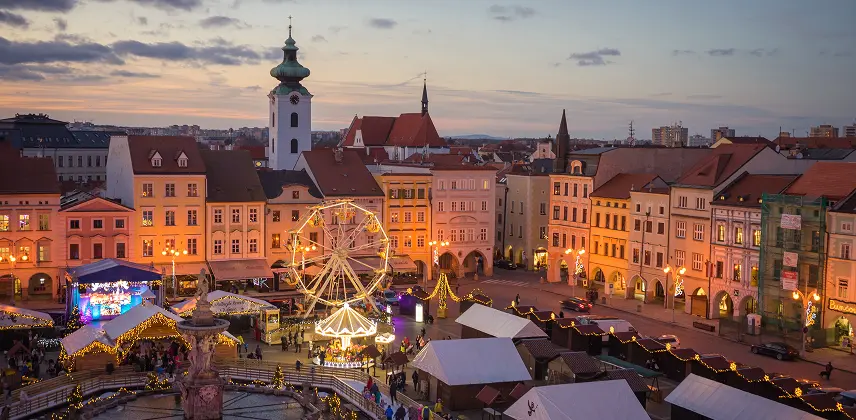
Oct 22, 2026Christmas in Europe has a particular kind of magic. Historic squares glow beneath thousands of lights, wooden chalets fill the streets with seasonal treats, and the smell of cinnamon, roasted nuts, and mulled wine drifts through the winter air.
For travelers seeking a memorable festive escape, Christmas markets offer more than shopping. They are an opportunity to experience local traditions, admire historic architecture, enjoy seasonal cuisine, and discover European cities at their most atmospheric.
From the grand Christmas markets of Vienna to the fairytale streets of Strasbourg, here are five destinations worth considering for the 2026 festive season.
1. Austria — Vienna's Imperial Christmas Experience
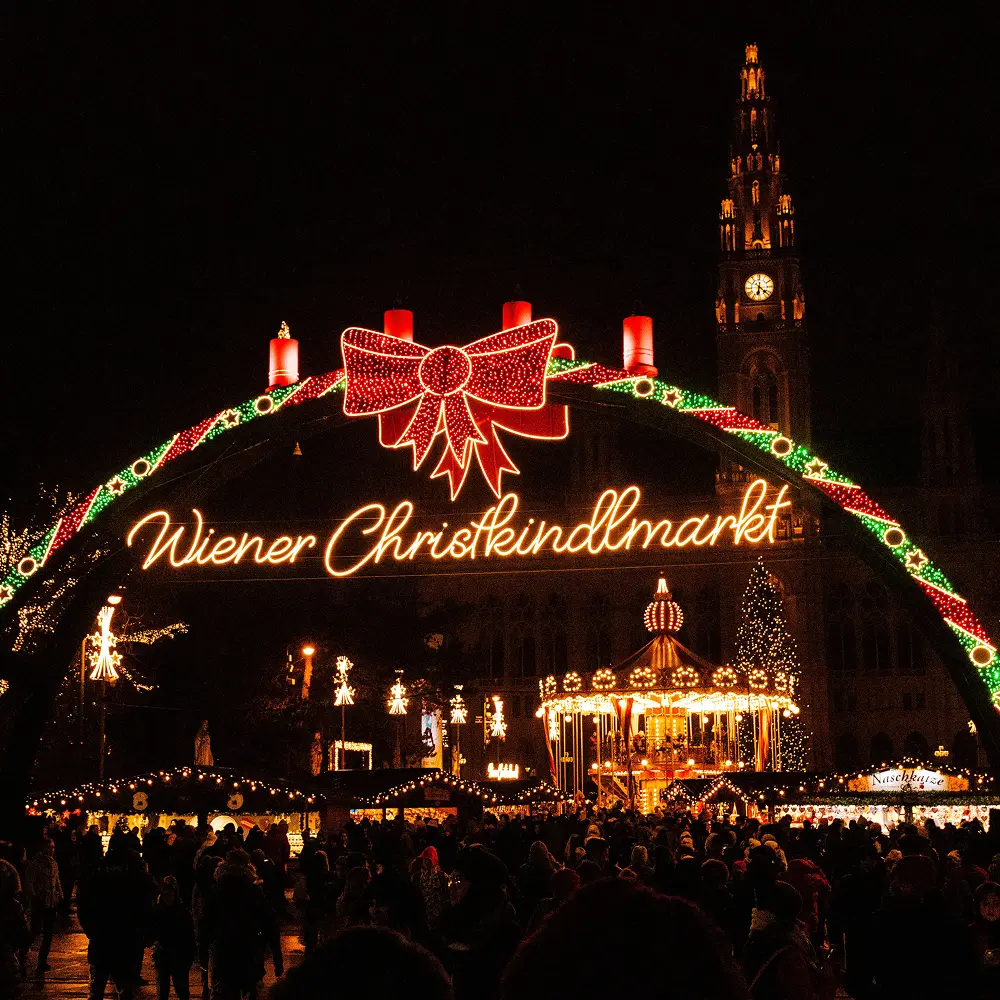
Main Rathausplatz market: November 13 – December 26, 2026
Vienna is one of Europe's quintessential Christmas destinations, combining imperial architecture, elegant cafés, classical music, and beautifully decorated festive markets. During the holiday season, the Austrian capital feels particularly cinematic, with historic buildings providing a spectacular backdrop for its Christmas celebrations.
The main market at Rathausplatz transforms the square in front of Vienna's City Hall into a festive village. Visitors can browse handcrafted decorations, seasonal gifts, and traditional Austrian food beneath illuminated trees and elaborate Christmas displays.
For a different atmosphere, visit the Christmas market at Schönbrunn Palace. Its Baroque setting creates a more intimate contrast to the scale of the city-centre market.
Beyond the stalls, Vienna's winter appeal lies in its cultural experiences. Spend an afternoon in a traditional coffeehouse, attend a classical concert, or explore the city's museums before heading out for an evening walk.
What to try: Austrian punch, roasted almonds, gingerbread, and traditional sausages.
Travel tip: Plan at least three nights if you want to explore several markets without rushing. Check individual market hours before visiting, as some markets continue into January.
2. France — Strasbourg, the Capital of Christmas
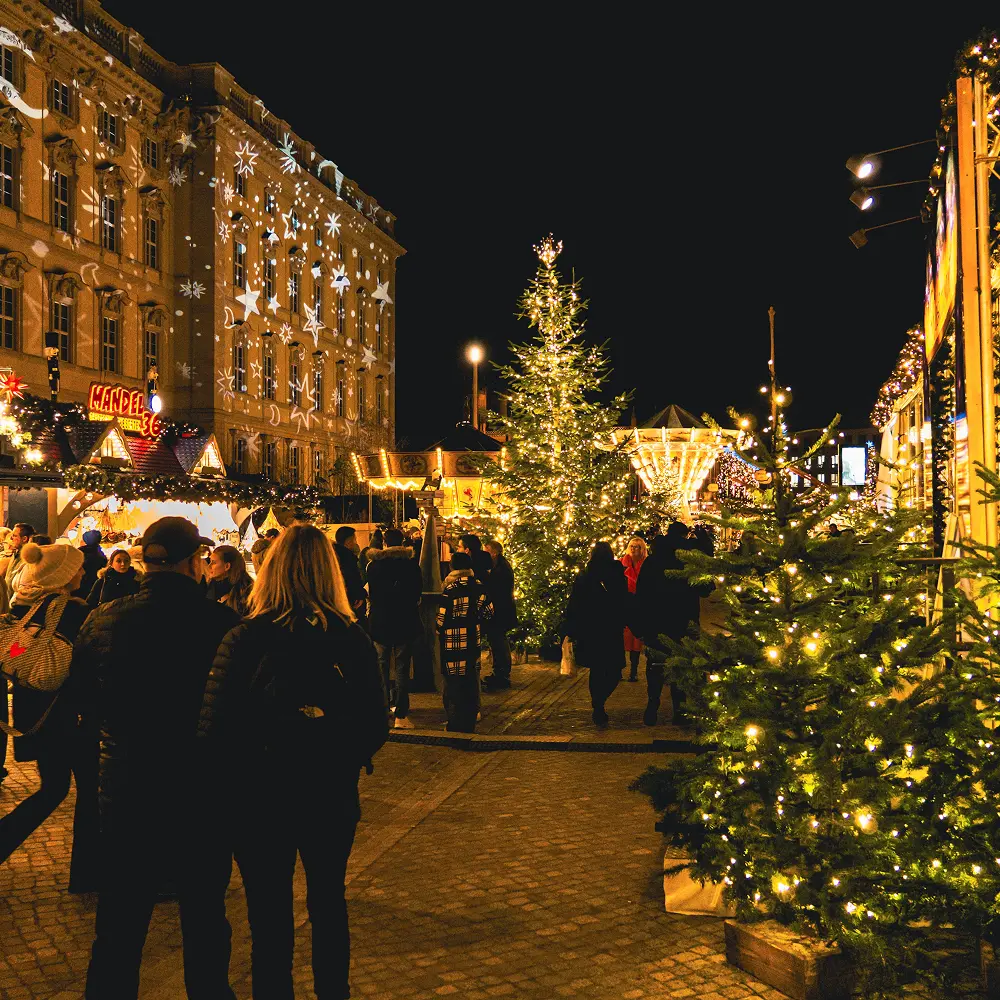
Opening date: November 27, 2026; closing date to be confirmed
Strasbourg is one of the most atmospheric places to experience Christmas in Europe. Located in the Alsace region near the German border, the city combines French culture with architectural and culinary traditions shaped by centuries of regional history.
Its historic centre becomes a network of festive markets, with wooden stalls spread across squares near the cathedral and throughout the picturesque streets of Petite France. Illuminated half-timbered houses, narrow lanes, and the city's famous Christmas decorations make even a simple evening walk feel special.
Strasbourg's Christkindelsmärik is among Europe's oldest Christmas markets, with a tradition dating back to 1570. The market's appeal comes from its combination of history, regional craftsmanship, seasonal food, and a beautifully preserved old town.
Food is an important part of the experience. Look for Alsatian specialties, including bredele Christmas biscuits, local pastries, and hearty regional dishes served in traditional winstubs.
What to try: Bredele biscuits, gingerbread, Alsatian pastries, and regional wines.
Travel tip: Stay for two or three nights and consider a day trip to nearby Colmar, another Alsatian town known for its colourful houses and festive atmosphere. Confirm the final market dates before booking.
3. Germany — Nuremberg's Traditional Christkindlesmarkt
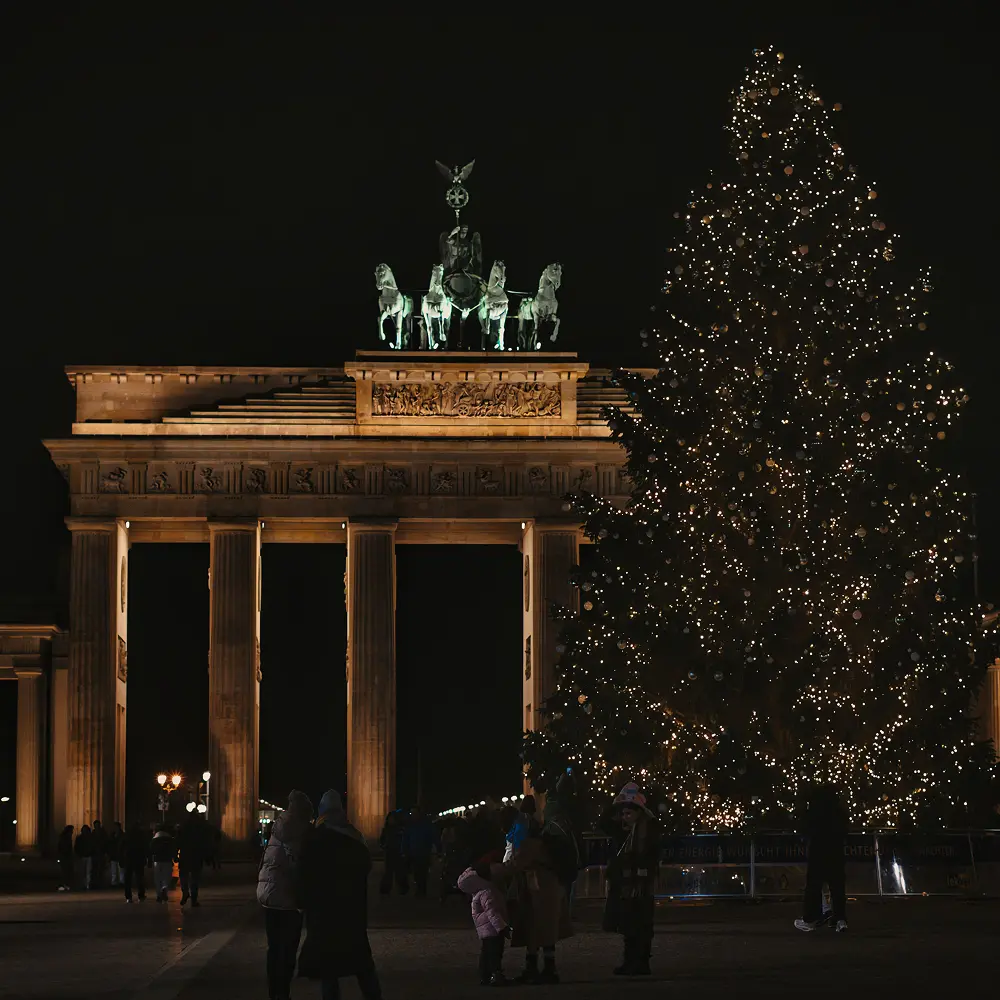
November 27 – December 24, 2026
For travelers who want to experience the traditions most closely associated with German Christmas markets, Nuremberg is an excellent choice.
The city's Christkindlesmarkt takes place in the Hauptmarkt, the historic central square framed by medieval architecture and the Church of Our Lady. Its traditional red-and-white striped stalls, handcrafted decorations, and regional food create a festive atmosphere that feels deeply rooted in local heritage.
Unlike some modern Christmas festivals, Nuremberg places a strong emphasis on traditional crafts and regional products. Visitors can browse wooden ornaments, handmade gifts, and decorations while sampling classic Franconian specialties.
The city's famous Lebkuchen, a type of German gingerbread, is an essential part of the experience. Pair it with a hot drink and take time to explore the surrounding old town, where historic streets and traditional restaurants provide a natural extension of the market visit.
What to try: Nuremberg gingerbread, Nürnberger Rostbratwürste, and hot spiced drinks.
Travel tip: Visit on a weekday if your schedule allows, as weekends can be especially busy. The market is scheduled to close on December 24, so plan your visit before Christmas Eve.
4. Czechia — Prague's Fairytale Christmas Market
November 28, 2026 – January 6, 2027
Prague feels naturally suited to Christmas. Its Gothic towers, cobblestone streets, historic squares, and riverside views create a setting that looks especially beautiful beneath festive lights.
The main Christmas market in Old Town Square is the city's centrepiece. Stalls surround the square beneath the towers of the Church of Our Lady before Týn, offering seasonal food, handmade decorations, and Czech crafts. A large Christmas tree adds to the atmosphere, particularly after sunset.
Prague is also an excellent destination for travelers who want to combine festive activities with sightseeing. During the day, explore Prague Castle, cross Charles Bridge, and wander through the historic centre. In the evening, return to the market for traditional Czech food and seasonal drinks.
Compared with some of Western Europe's more expensive Christmas destinations, Prague can also offer attractive accommodation and dining options across a range of budgets, although prices rise around popular holiday dates.
What to try: Trdelník, roasted ham, Czech sausages, and svařák, the local version of mulled wine.
Travel tip: Prague's main Old Town Square market is expected to remain open until January 6, 2027, making it a useful choice for travelers planning a festive trip after Christmas. Confirm dates with the official market organizers before booking.
5. Hungary — Budapest's Festive Streets and Thermal Baths
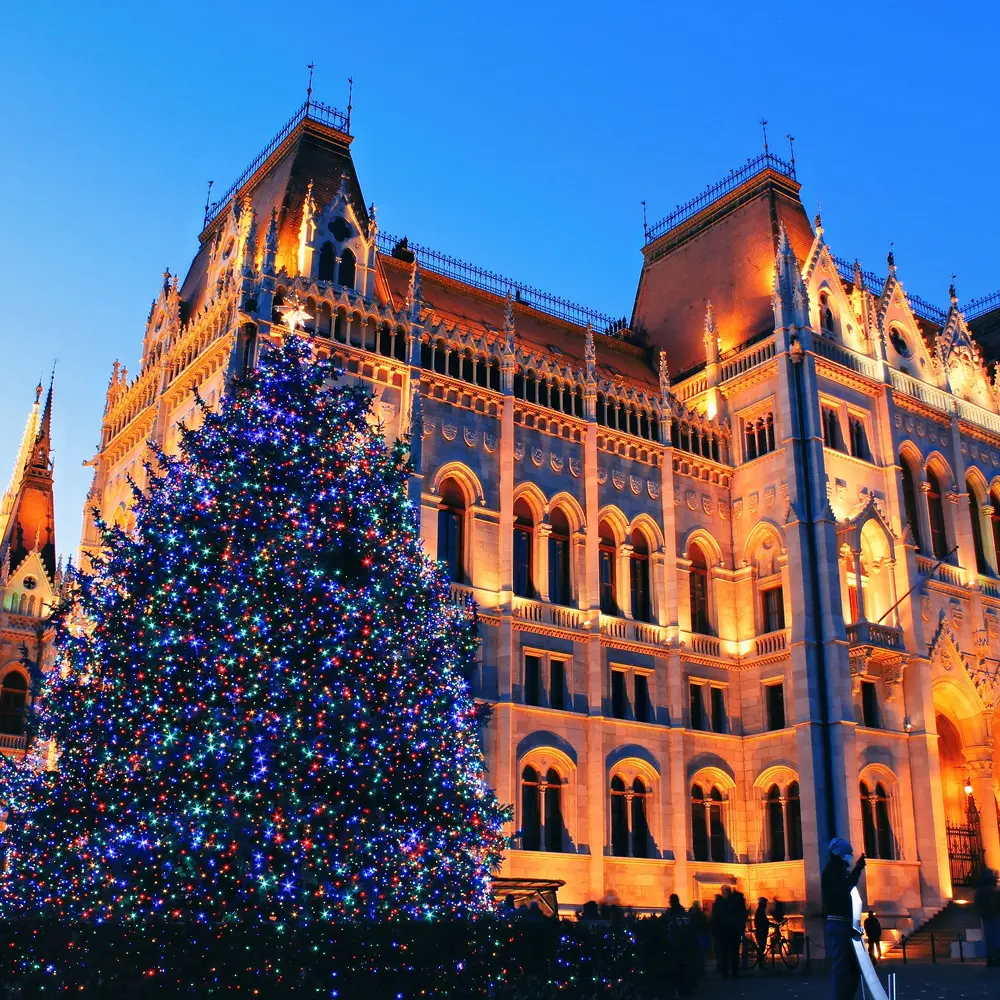
Advent Basilica market: November 13, 2026 – January 1, 2027
Budapest offers a festive experience with an extra advantage: the chance to combine Christmas markets with the city's celebrated thermal baths, grand architecture, and lively dining scene.
The Advent Basilica market takes place in the square in front of St. Stephen's Basilica. Its illuminated façade, decorative stalls, seasonal food, and festive installations create one of the city's most recognizable winter scenes.
Another popular stop is Vörösmarty Square, where visitors can browse local crafts and enjoy Hungarian specialties. Between markets, explore the Danube waterfront, admire the illuminated Parliament building, or visit a traditional thermal bath.
One of Budapest's most memorable winter experiences is relaxing in an outdoor thermal pool while cold air rises around the warm water. It offers a striking contrast to the busy streets and makes the city particularly appealing for a long weekend.
What to try: Kürtőskalács, Hungarian goulash, chimney cake, and traditional Hungarian pastries.
Travel tip: A three-night stay gives you time to explore the markets, enjoy the city's architecture, and fit in a thermal bath experience. Confirm the official opening and closing dates before finalizing your itinerary.
How to Plan a Christmas Market Trip in Europe
The best Christmas market trip depends on the kind of experience you want. Vienna offers imperial elegance, Strasbourg delivers a storybook atmosphere, Nuremberg focuses on traditional German crafts, Prague combines festive scenery with historic sightseeing, and Budapest adds thermal baths to the experience.
Keep these practical points in mind when planning your trip:
- Book accommodation early. Hotels in popular Christmas market cities can become expensive as December approaches, especially on weekends.
- Choose your dates carefully. Some markets close on December 23 or 24, while others remain open through New Year and into January.
- Visit after sunset. Festive lights and illuminated historic buildings often make the evening the most atmospheric time to explore.
- Pack for cold weather. Warm layers, comfortable walking shoes, and a weather-resistant coat will make long evenings outdoors more enjoyable.
- Allow time to explore beyond the market. Museums, local restaurants, historic neighbourhoods, and seasonal concerts can turn a short visit into a richer travel experience.
Make Your Christmas Journey Part of the Experience
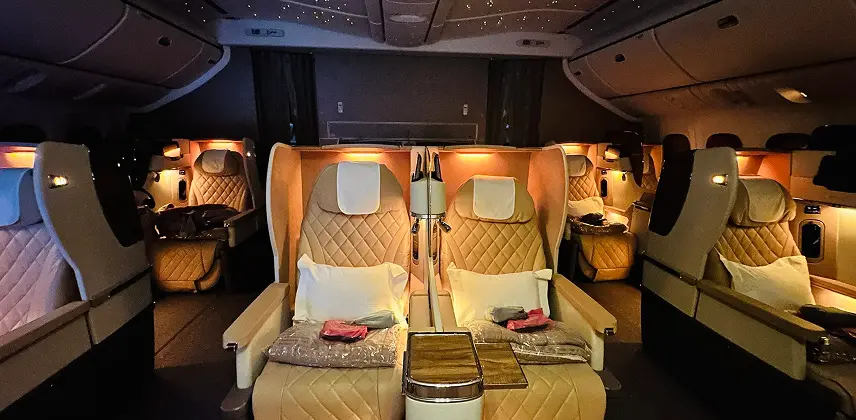
A festive getaway should feel enjoyable from the moment you leave home. When comparing flights, consider departure times, connections, arrival airports, and the convenience of reaching your hotel. For a short winter break, arriving rested and having enough time to explore can matter as much as the destination itself.
Explore Business Class flights with PrivyTrips to compare premium-cabin options for your European Christmas market trip. Whether you're planning a romantic weekend in Vienna or a multi-city winter escape, choosing the right itinerary can help make the journey as comfortable as the destination.
Final Thoughts
Europe's Christmas markets each offer a different interpretation of festive magic. Vienna brings imperial grandeur, Strasbourg feels like a winter fairytale, Nuremberg celebrates centuries-old traditions, Prague offers spectacular historic scenery, and Budapest combines festive charm with thermal relaxation.
For the most atmospheric experience, consider traveling from late November to mid-December, when many markets are open and the festive season is in full swing. Confirm the exact dates before booking, then leave yourself enough time to enjoy the food, lights, traditions, and unexpected discoveries that make Christmas in Europe so memorable.





Subscribe to Our Newsletter
Sign up for our newsletter and be the first to know about our latest exclusive offers that you won't find online.


